
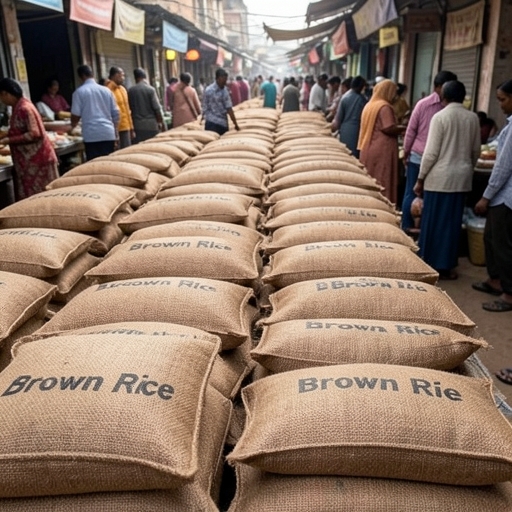
Rice Price
Rice price reflects the cost of rice per unit, commonly measured per ton or kilogram, and is influenced by harvest conditions, global trade, storage costs, and consumer demand. As a primary food source for over half the world’s population, rice prices have a major impact on food affordability and economic stability, especially in Asia and Africa. Prices vary by variety—such as basmati, jasmine, or short-grain—and are affected by weather, labor costs, government subsidies, and export bans. Farmers use price trends to decide planting areas and timing, while governments monitor rice markets to prevent shortages and inflation. Transparent pricing helps ensure fair returns for producers and accessible nutrition for consumers. Reliable rice price data supports policy decisions, market planning, and food security initiatives worldwide.